
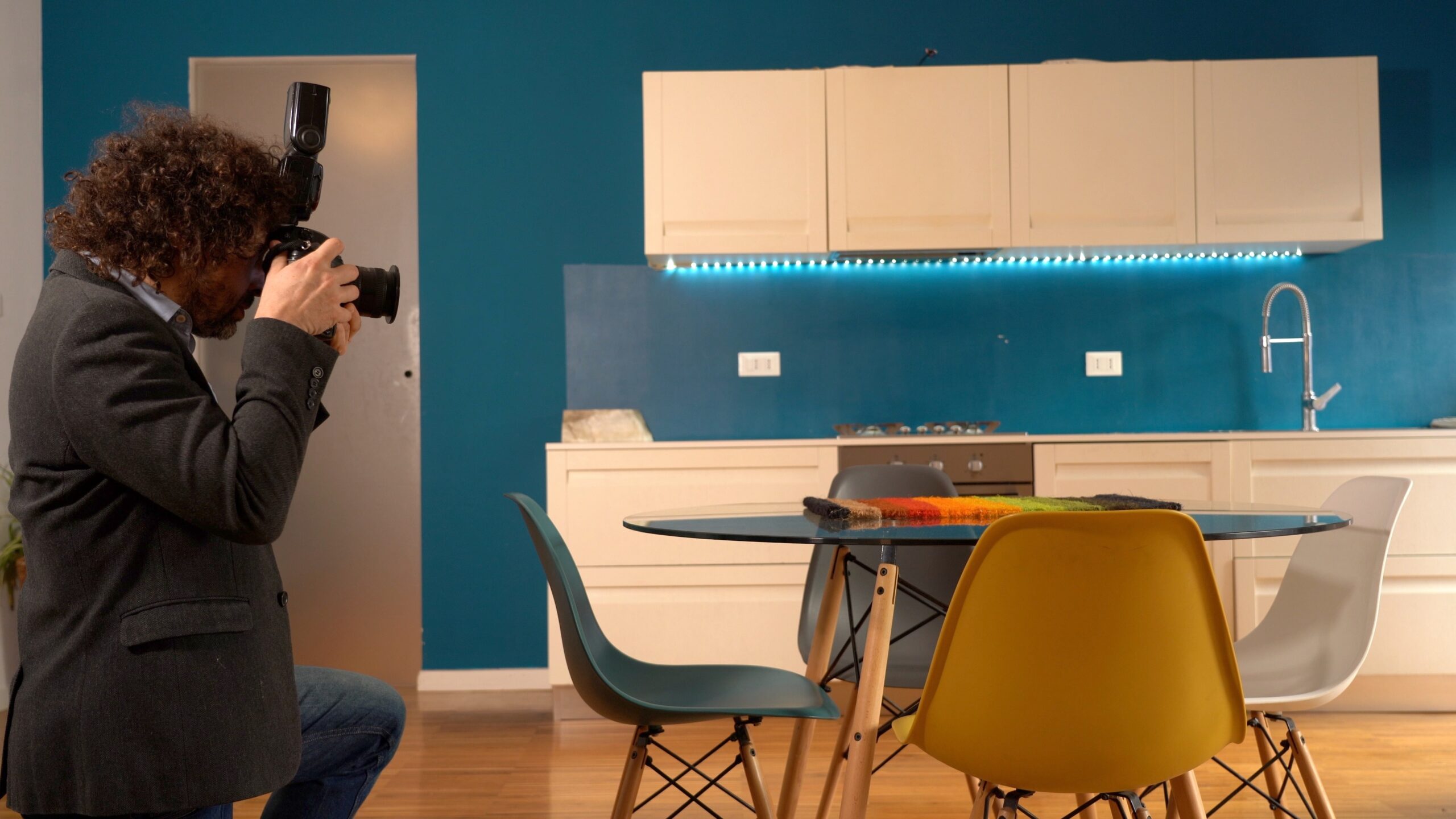
Buyers today rarely schedule a showing without first experiencing the home online. Photography has become the first showing, the first impression, and often the deciding factor in whether a buyer takes the next step. As we move into 2026, real estate photography is evolving, bringing new expectations and higher standards to the market.
For sellers, understanding these trends is more than an aesthetic choice. It is a strategic advantage. Here is a look at how photography is changing and how Irongate helps sellers stand out through powerful visual presentation.
Buyers Expect Images That Tell a Story, Not Just Document a Room
Traditional photography captures what the room looks like. Modern photography captures how the room feels. Buyers want to see flow, lifestyle potential, natural light, and ambience.
Photography in 2026 focuses on narrative. Instead of simply showing the kitchen, it conveys the experience of cooking in it. Instead of documenting a living room, it highlights comfort, warmth, or openness. When images make a buyer feel something, they attract more attention and increase the likelihood of showings.
Lighting Matters More Than Ever
Lighting is the difference between a space that feels bright and inviting and one that feels flat or smaller than it really is. Skilled photographers use natural light strategically, combine it with soft interior lighting, and balance exposure so rooms appear spacious and clean.
Poor lighting remains one of the fastest ways to lose buyer interest. If a room looks dark in photos, buyers assume it will feel dark in person.
Angles and Composition Shape How Buyers Interpret Space
Photography is not only about clarity. It is about perspective. Photographers in 2026 use angles that guide the eye through a space and highlight flow. This helps buyers understand room size, layout, and transitions, even before stepping inside.
Listings that rely on quick snapshots, distorted wide angles, or crowded frames struggle to compete. Buyers notice. They skip listings that feel difficult to interpret or visually overwhelming.
Minimalism and Clean Presentation Strengthen Results
Photography cannot compensate for clutter, heavy furniture, or visual noise. Clean lines, open surfaces, and intentional layout create better images and a clearer buyer experience.
This does not mean the home must look sterile. Instead, it should feel calm and spacious. A well prepared environment leads to stronger photos, which lead to stronger interest.
Technology Is Transforming Buyer Expectations
Photography is evolving faster than ever. High resolution sensors, aerial imaging, virtual walk-through tools, and advanced editing techniques allow photographers to showcase homes with greater accuracy and appeal.
Buyers in 2026 expect:
- Crystal clear detail
- Accurate color representation
- Smooth room-to-room visuals
- Lifestyle oriented perspectives
The more immersive and realistic the images feel, the more confident buyers become.
Professional Photography Is No Longer Optional
Listings that rely on phone photos or quick snapshots struggle in every price range. Photography is not an expense. It is a marketing strategy. It influences click-through rates, scheduling behavior, and eventual offer strength.
When sellers work with Irongate, professional photography is part of the process. It ensures that every listing shows at its best, communicates value clearly, and attracts motivated buyers.
Final Thoughts
The future of real estate photography is intentional, narrative-driven, and technology-enhanced. Buyers will continue to judge listings by their online presentation first. Sellers who invest in strong visuals will stand out immediately.
Working with Irongate ensures that your listing captures attention from the very first image.