
You’ve probably heard it before: buyers fall in love with homes they can see themselves living in. But what makes the difference between “just another house” and one that steals the spotlight? The answer isn’t always a remodel or a big-ticket upgrade.
Professional stagers know the truth — it’s the little tweaks that can completely transform how buyers experience a space. Here are the secrets they use every day to help homes stand out, sell faster, and often for more.
1. Less Furniture = More Space
It’s a common trap: a room packed with furniture feels “lived in” to you but crowded to buyers. A family room with two oversized sofas, three recliners, and every end table you’ve collected over the years may feel cozy at home — but to a buyer, it reads as small and cluttered.
Pro stagers will often remove as much as a third of the furniture in a room. Suddenly, the space feels larger, more open, and full of possibility. Buyers no longer focus on where your furniture fits — they start imagining where theirs could go.
2. Neutral Doesn’t Mean Boring
When sellers hear “neutral,” many think beige walls and zero personality. But neutrality is less about stripping away character and more about creating a backdrop that lets buyers project themselves into the home.
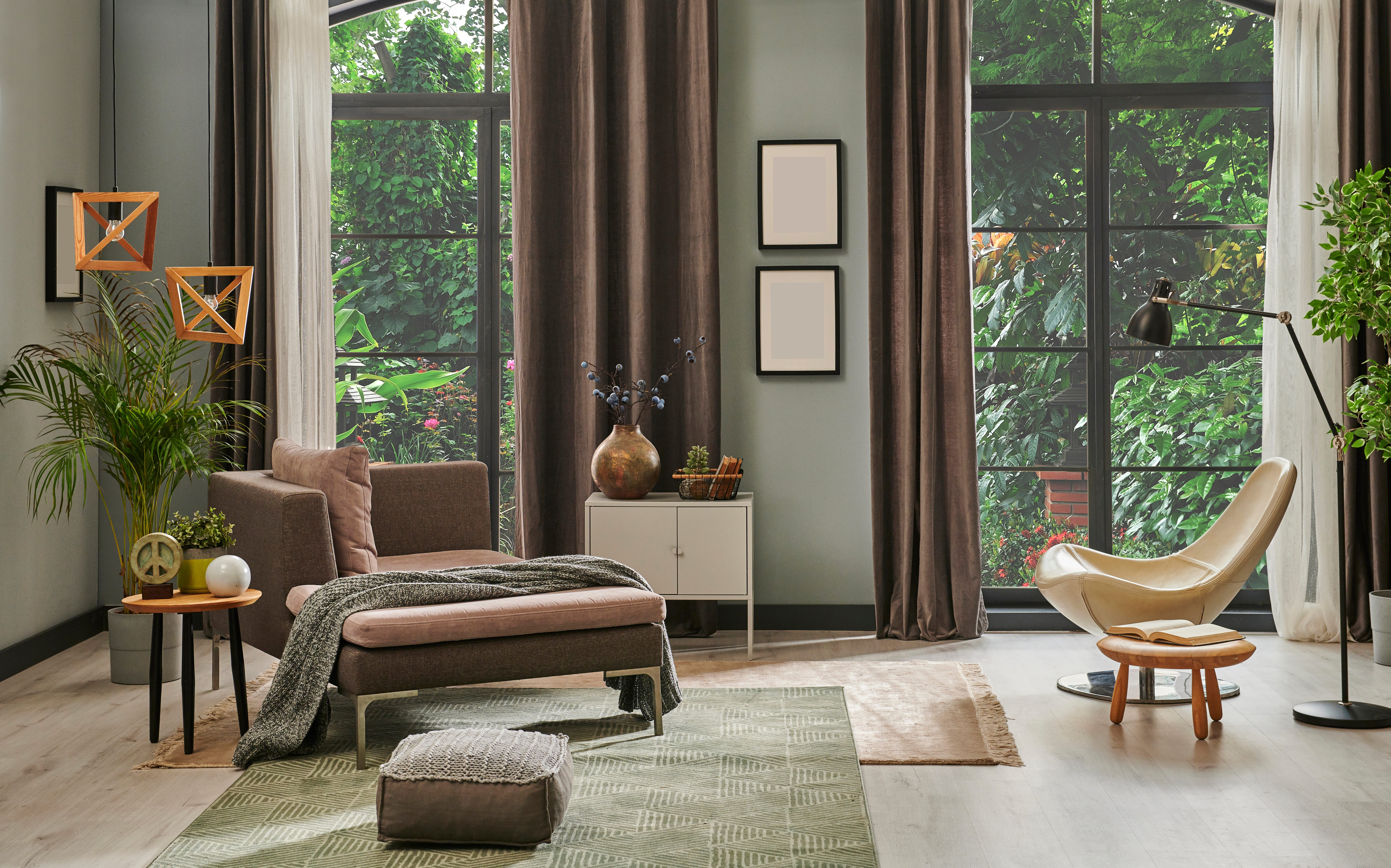
Picture a living room painted in a soft gray with crisp white trim. Add a textured jute rug, a cream throw blanket, and a few accent pillows in muted earth tones. The vibe is clean and modern, but far from lifeless. Buyers are drawn into a space that feels versatile yet stylish — and importantly, photogenic.
3. Focus on the Focal Point
Every room has something that deserves the spotlight. Maybe it’s a fireplace, a big picture window, or built-in shelves. But too often, furniture is arranged in a way that hides or competes with these features.
A pro stager will reorient the room so the eye goes straight to that focal point. For example, a sofa facing the fireplace with two armchairs angled nearby instantly says, “this is the heart of the home.” Buyers walk in and immediately understand how the space works — and fall for it.
4. Light It Up
Lighting is one of the simplest ways to transform a room’s mood, yet it’s often overlooked. Dim bulbs make a space feel gloomy, while harsh fluorescent light feels sterile. Neither says “welcome home.”
The fix? Layered lighting. Swap old bulbs for warm-toned LEDs. Add table lamps to brighten corners. Hang a statement light fixture above the dining table to create elegance. When buyers walk into a space that feels bright, balanced, and warm, it gives them a subtle but powerful signal: this home is happy.
5. Create Lifestyle Moments
This is where the magic really happens. Buyers don’t just want a house — they want a story. And staging tells it.
Think about walking into a dining room where the table is set with simple plates, a vase of fresh flowers, and soft linen napkins. Or a cozy nook staged with a chair, side table, and a book waiting for its reader. These little touches whisper to buyers: this is where you’ll host Thanksgiving…this is where you’ll curl up on a Saturday morning. It’s about sparking emotion — the heart often makes the decision before the head does.
6. Don’t Forget Scent
A home’s smell can make or break a showing. Too much perfume, heavy candles, or the faint hint of last night’s dinner can derail an otherwise perfect space.
Professional stagers recommend keeping scents subtle and clean: freshly laundered linens, a bowl of citrus, or even just the natural freshness that comes from opening windows for an hour before a showing. When buyers walk in and breathe deeply without even thinking about it, you know you’ve hit the sweet spot.
7. Style the Small Spaces
It’s easy to focus on the big rooms — living room, kitchen, bedrooms — but buyers will peek into every corner. Laundry rooms, mudrooms, and even hall closets get noticed.
A well-staged laundry room with neatly folded towels, a basket of supplies, and a plant on the shelf can suddenly feel like a space buyers look forward to using instead of dreading. Mudrooms with hooks, bins, and mats staged neatly tell families: yes, your life will fit here beautifully. Every space in your home has a role to play — don’t leave any of them out.
Final Thoughts
Staging isn’t about perfection — it’s about possibility. The little tweaks that stagers use aren’t about covering up flaws or tricking buyers. They’re about unlocking your home’s best self so others can see and feel it.
In today’s market, those small, thoughtful changes are what make buyers pause mid-scroll, book a showing, and eventually write an offer. And at Irongate, we know it’s often the smallest details that lead to the biggest results.